Introduction
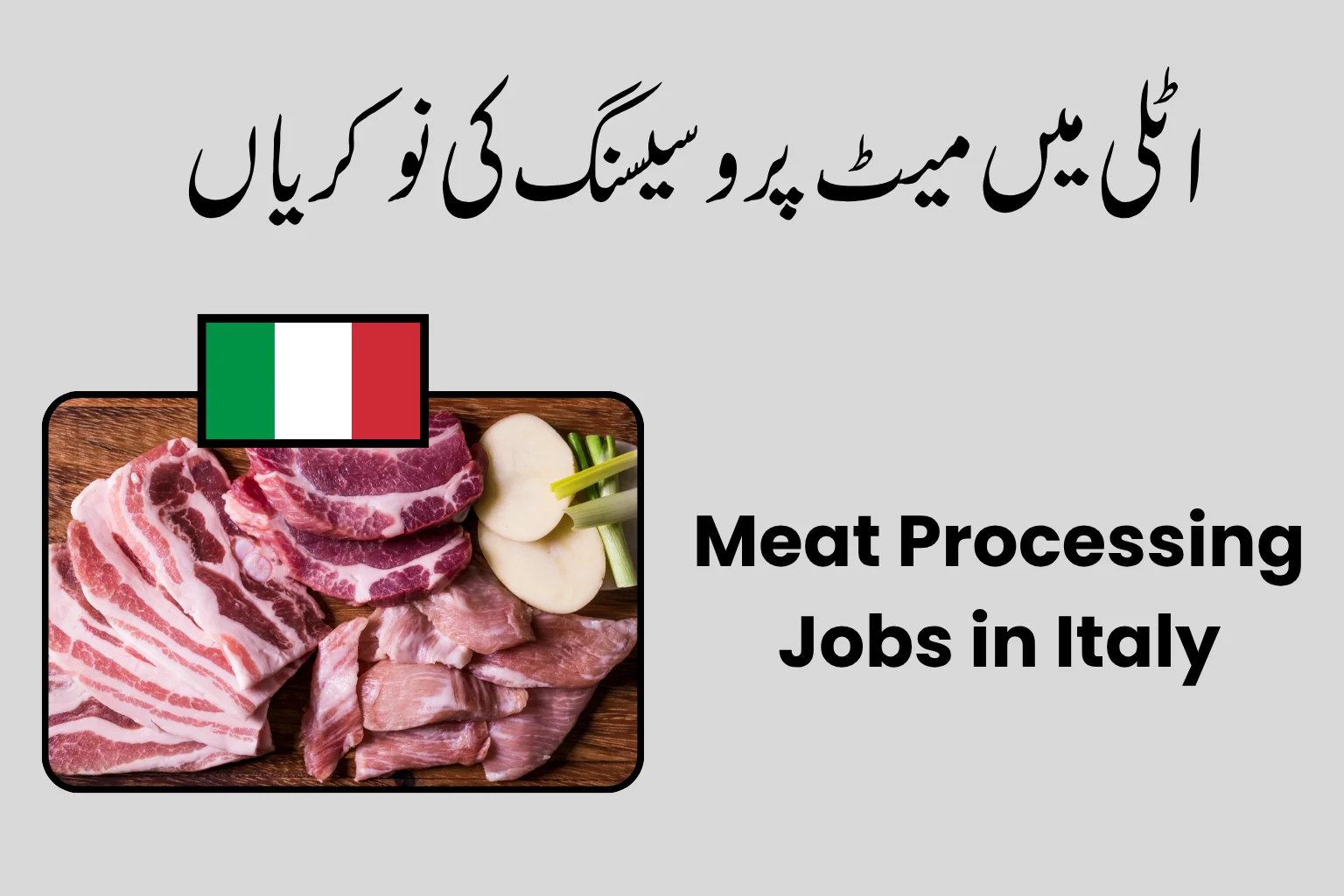
Meat processing jobs in Italy 2026 are an important part of the country’s food industry, especially in regions known for livestock farming and food export. Italy produces a wide range of meat products including beef, pork, poultry, sausages, and cured meats such as salami and prosciutto. This creates steady demand for workers in slaughterhouses, packaging plants, cold storage facilities, and food factories.
These jobs are mainly entry-level and attract both local and foreign workers because they often include training, overtime pay, and sometimes visa sponsorship under Italy’s seasonal or labor quota system (Decreto Flussi).
Why Meat Processing Jobs in Italy Are a Good Opportunity
Meat processing work is considered a stable industrial job in Italy due to continuous food demand and export production.
Key benefits include:
- No high education requirement
- Stable monthly income with overtime opportunities
- High demand for foreign workers in factories
- Legal work permits available for selected applicants
- Free or subsidized accommodation in some companies
- Long-term contracts in large processing plants
- Skill development in industrial food production
Italy’s meat industry is part of its strong agri-food export sector, supplying products across Europe.
Types of Meat Processing Jobs in Italy (2026)
1. Meat Packing Worker
- Cutting, packing, and labeling meat products
- Working on production lines
- Ensuring hygiene and safety standards
Salary: €1,300 – €2,000/month
2. Slaughterhouse Worker
- Assisting in animal processing operations
- Handling meat preparation procedures
- Following strict safety regulations
Salary: €1,500 – €2,300/month
3. Butcher Assistant
- Cutting and trimming meat
- Preparing portions for retail and export
- Supporting skilled butchers
Salary: €1,600 – €2,500/month
4. Quality Control Worker
- Checking meat quality and freshness
- Ensuring food safety compliance
- Inspecting packaging and labeling
Salary: €1,700 – €2,800/month
5. Cold Storage / Warehouse Worker
- Storing frozen meat products
- Managing inventory in cold environments
- Loading/unloading trucks
Salary: €1,400 – €2,200/month
Salary Overview (Meat Processing Jobs Italy 2026)
| Position | Monthly Salary |
|---|---|
| Entry-Level Packer | €1,200 – €1,800 |
| Meat Processing Worker | €1,300 – €2,000 |
| Butcher Assistant | €1,600 – €2,500 |
| Quality Control Staff | €1,700 – €2,800 |
| Skilled Technician | €2,200 – €3,200 |
💡 Overtime, night shifts, and holiday work can significantly increase earnings.
Eligibility Criteria
To apply for meat processing jobs in Italy, applicants typically need:
- Minimum age: 18+
- Good physical fitness
- Ability to work in cold environments
- Willingness to work shifts (including night shifts)
- Basic communication skills
- No advanced education required
- Clean background record
Required Skills
- Physical strength and stamina
- Attention to detail
- Ability to follow hygiene standards
- Teamwork in factory environments
- Basic machine handling (for advanced roles)
- Time management
Documents Required
- Valid passport
- Updated CV
- Passport-size photos
- Medical fitness certificate
- Police clearance certificate
- Job offer letter (for visa application)
- Previous work experience (if available)
Visa Requirements for Italy (2026)
Foreign workers need a Italy Work Visa (D Visa) under employer sponsorship or seasonal quotas.
Step-by-step process:
- Job offer from Italian company
- Employer applies for Nulla Osta (work authorization)
- Visa application at Italian embassy
- Submit documents and biometrics
- Visa approval
- Travel to Italy and start work
After arrival:
- Apply for residence permit (Permesso di Soggiorno)
- Register with local authorities
💡 Many meat processing jobs fall under Italy’s Decreto Flussi labor quota system, which allows legal hiring of non-EU workers.
How to Apply for Meat Processing Jobs in Italy (Step-by-Step)
Step 1: Prepare Your CV
- Keep it simple
- Highlight factory or physical work experience
- Mention availability for shift work
Step 2: Search Job Portals
Use trusted websites:
- https://ec.europa.eu/eures
- https://www.indeed.com
- https://www.linkedin.com/jobs
- https://www.glassdoor.com
- https://www.agenziapiemontelavoro.it
Step 3: Apply for Jobs
Search keywords:
- “Meat factory jobs Italy 2026 visa sponsorship”
- “Food processing jobs Italy foreign workers”
- “Butcher assistant Italy jobs”
Step 4: Attend Interview
- Online or phone interview
- Questions about physical ability and experience
- Availability for shifts and relocation
Step 5: Receive Job Offer
- Employer provides contract
- Starts visa sponsorship process
Step 6: Apply for Visa
- Submit documents at Italian embassy
- Wait for approval (1–3 months typical)
Working Conditions in Meat Processing Plants
- 8–10 hour shifts
- Cold storage environments (0°C to 5°C in some areas)
- Strict hygiene rules
- Safety gear provided (gloves, boots, uniforms)
- Weekly rest days
- Overtime availability during high demand
Advantages of Meat Processing Jobs in Italy
- Easy entry for foreign workers
- Stable industrial employment
- Legal visa pathways
- Skill development in food industry
- Opportunities for contract renewal
- High demand in export production sector
Challenges
- Physically demanding work
- Cold working environment
- Repetitive tasks
- Strict hygiene regulations
- Shift-based schedules
FAQs – Meat Processing Jobs in Italy 2026
1. Do I need experience for meat processing jobs?
No, most entry-level roles provide training.
2. What is the salary range?
Usually €1,300 to €2,800 per month depending on role and experience.
3. Is visa sponsorship available?
Yes, many jobs are filled under Italy’s seasonal and labor quota system.
4. Is the work difficult?
It can be physically demanding and involves cold environments.
5. Do companies provide accommodation?
Some employers offer free or subsidized housing.
6. Can I get permanent employment?
Yes, with experience and good performance, contracts can be extended.
Conclusion
Meat processing jobs in Italy 2026 offer a solid opportunity for foreign workers looking for stable employment in Europe’s food industry. While the work is physically demanding, it provides consistent income, legal visa options, and long-term career potential in industrial food production.
If you are ready for factory work and want to build a future in Europe, start preparing your documents, apply through trusted job portals, and take advantage of Italy’s labor demand in the food processing sector.